


The DRC’s Cobalt
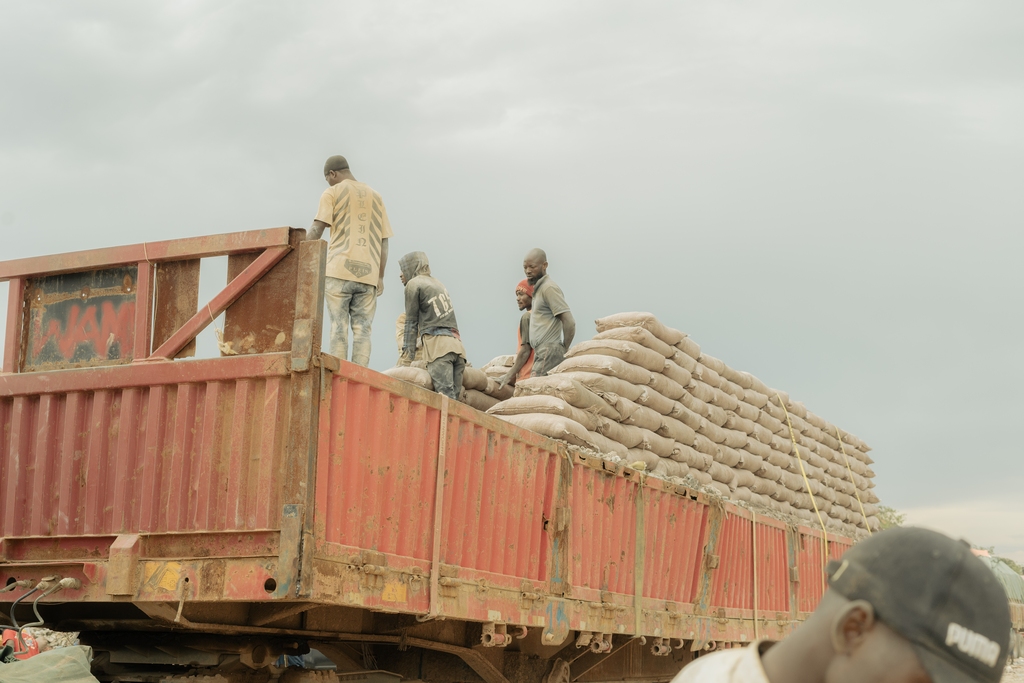
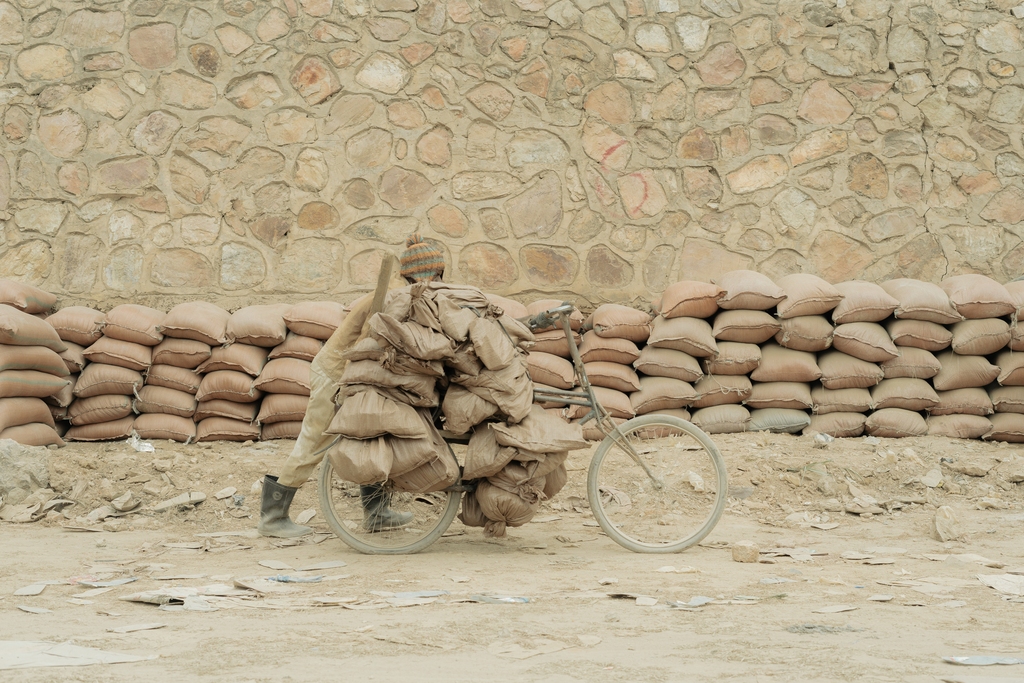
An interview with PhD-researcher Hadassah Arian and photographer Nathan Bushiru who have combined their work in a photo essay, documenting multiple facets of cobalt mining in Kolwezi, Democratic Republic of Congo.
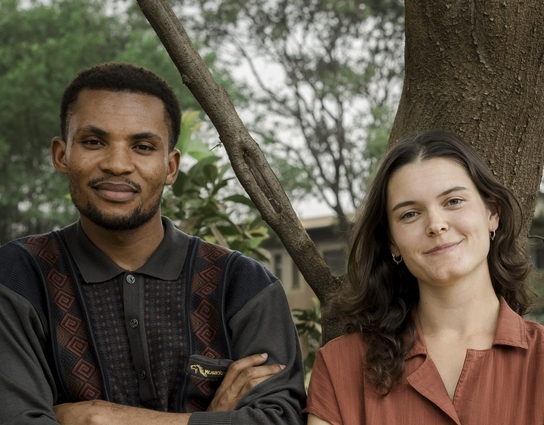
Hadassah Arian is a PhD researcher at the University of Antwerp, focusing on artisanal cobalt mining in the DRC and the rise of “responsible sourcing” initiatives, what they entail in practice, and their implications for people living and working around mines.
Nathan Bushiru is a photographic artist from DRC, working on historical, social, and particularly environmental issues, and supporting young artists through mentorship and artistic programming. For Nathan, mining is also personal: it connects to family history.
How did this specific collaboration come about? Was there a particular moment during Hadassah's PhD research where you both felt that a traditional academic paper wasn't enough, and that a visual photo essay was necessary to tell the full story of Kolwezi?
Hadassah Arian: Visual stories are the ones that stay with me the most. So, it’s something that I wanted to do from the start. As an academic researcher, I have a responsibility to translate my research to a broader audience and not stay in the academic bubble. I believe it’s relevant for everyone to know more about where these minerals come from and who is involved. At the same time, I had no idea how to go about it. I’m not a photographer or an artistic person myself, and ethically it wasn’t realistic.
Nathan Bushiru: We met by chance in 2024 during a cultural event. Very quickly, we realised that we shared the same questions, concerns, and challenges, and, above all, the same desire to address them differently.
This is a collaboration between a PhD researcher and a photographer. How did your collaboration work in practice? How did you decide to connect images to context without oversimplifying?
Hadassah: The photos are taken by Nathan, and the text is written by me. I’m proud that it was a real collaboration between the two of us. I wanted to tell different types of stories. I remember Nathan asking me, “What is exactly the one story that we want to tell?” and I did not have a very satisfying answer. Because my aim was not to focus on a single story but to capture the holistic coming together of different elements. Nathan, when he was taking the pictures, was open to whatever came up during his conversations and interactions. Afterwards, we had a lot of long online calls going through the photos and texts.
Nathan: When we met, it was like two tweets, and we saw that we were interested in something common. We talked a great deal. We didn't always agree, but these disagreements were essential. Through repeated meetings and exchanges, we learned to understand what each of us truly wanted to express and defend. Very often, we realised that we were moving in the same direction, even if we used different languages. Beyond a collaboration between a researcher and an artist, it was also an encounter between two individuals from very different realities, facing the same issues.
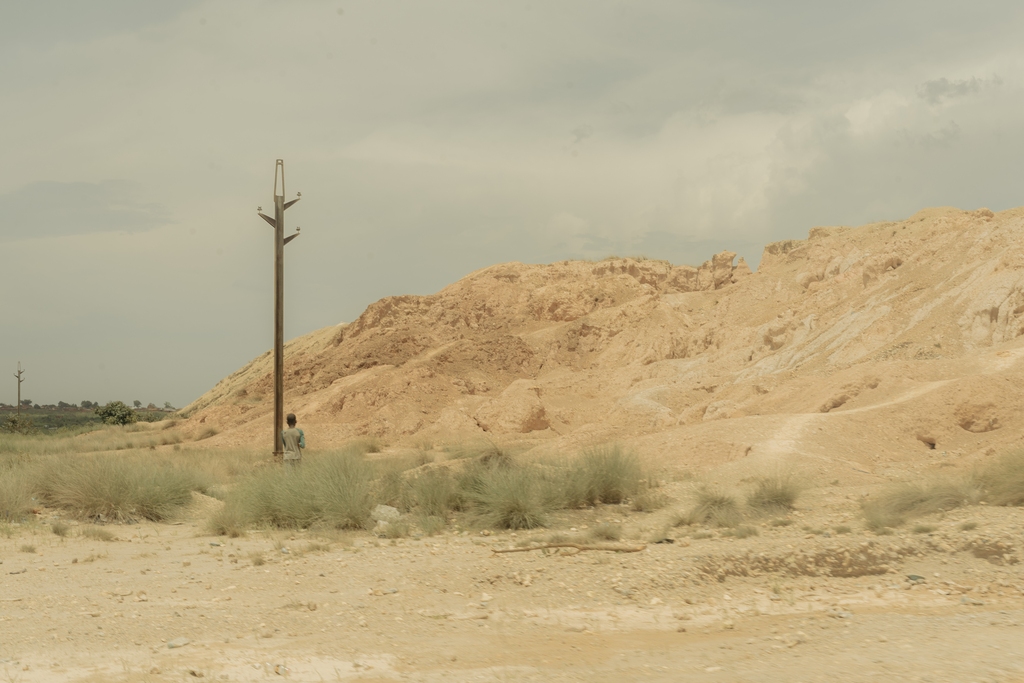
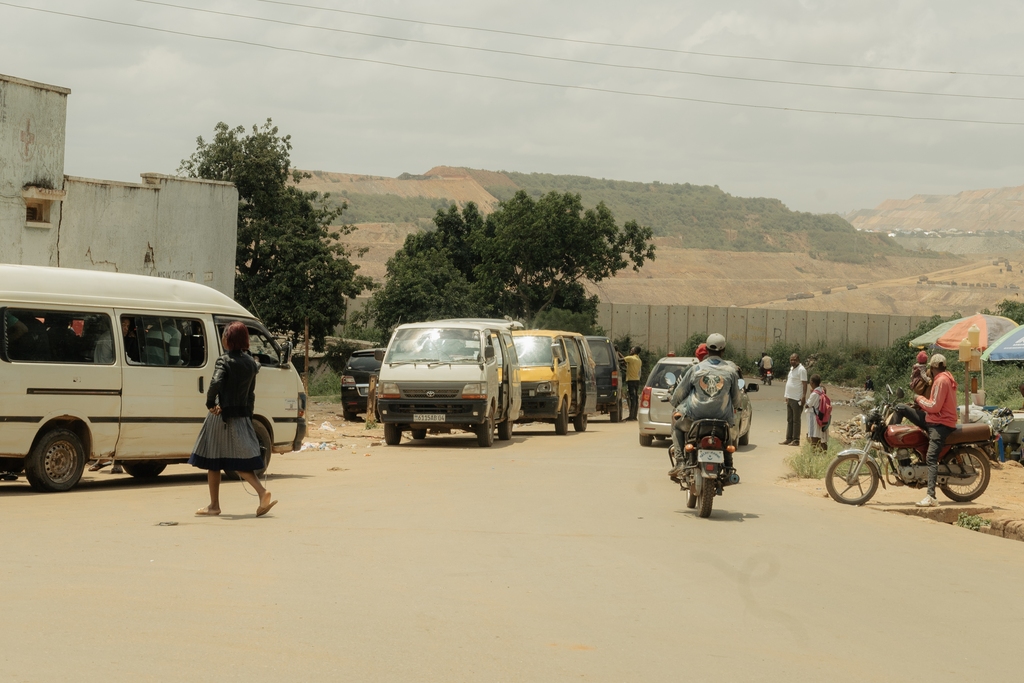
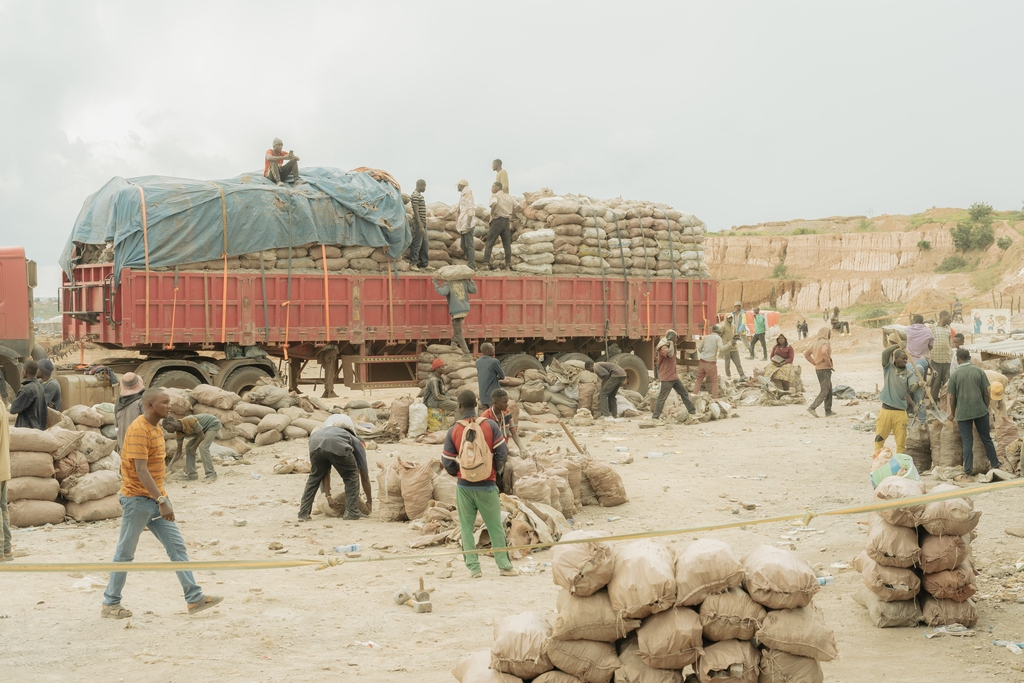
Hadassah, did seeing the site through Nathan’s lens change how you analysed your research data?
Hadassah: I think, it didn’t change something completely different, but this project is an important part of my overall research. It was a mostly open process, and Nathan brought things to the table I might not have focused on. I wouldn’t have gone to the lakeside alone or met the fishermen. What I really want others to take away is the visual aspect - images bring an added emphasis, which makes this a key part of the overall process.
Nathan, did the academic context change how you photographed the subjects?
Nathan: Hadassah was very passionate about this project. She’s also very organised, and it was interesting to see how academics have a system, how they need to proceed with all scenes. I have experience in pedagogical studies, and I worked in the commercial sector for many years. Working with academics was very new and interesting to me. Collaboration between universities and being in this cycle was something I didn’t particularly understand at the beginning. But then it turns out to be a great experience. In addition to my artistic vision, I also took on the roles of a journalist and a researcher. My priority was to understand: to set the scene, talk with people, observe, and listen. I was deeply involved in discussions with the people I photographed, and this profoundly influenced my working process.
VLIRUOS focuses on its partnerships and supports them in their growth. What was the experience of this partnership during this project?
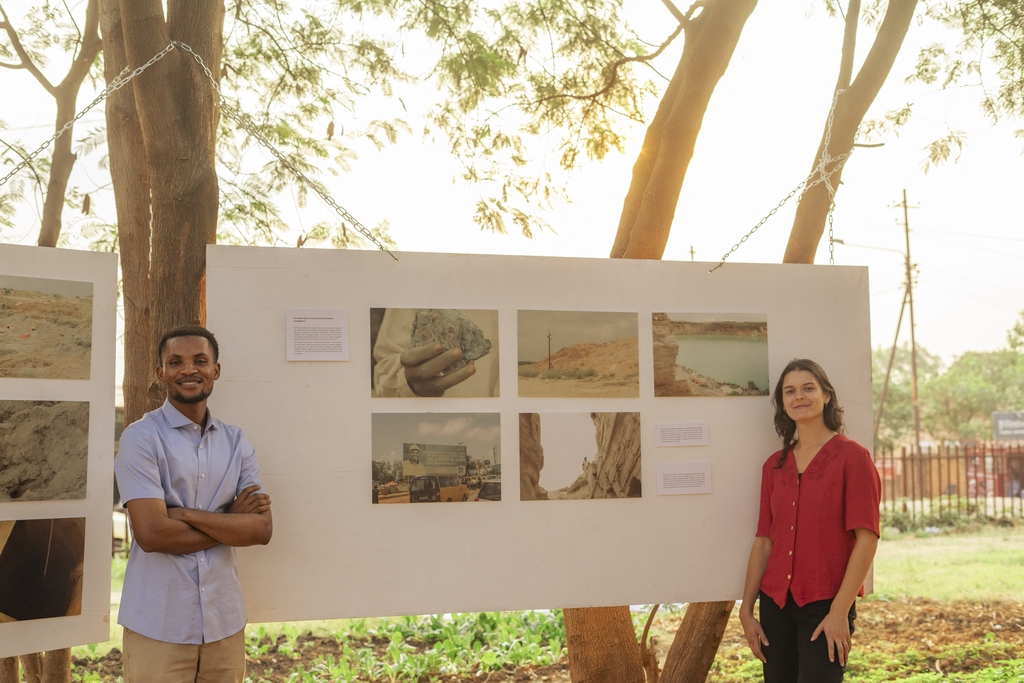
Hadassah: It’s nice to see the people from VLIRUOS and speak to you, because it often feels a bit of an abstract place. My PhD is part of the collaboration between my university, my promoter, and the University of Lubumbashi. I was already in touch with the University of Lubumbashi and its professors; this project came on top of that. We held exhibitions in Lubumbashi and Antwerp, which were partly funded by VLIRUOS. We started with a smaller budget for the online book, and we gradually expanded to print the book and to hold exhibitions. In Lubumbashi, we had events at the university and at the Institute Français, which serves as an artistic community centre, and it was good to reach different publics from those two worlds.
Nathan: Access to mining sites is extremely complicated and sometimes nearly impossible. However, collaborations between VLIRUOS and local and international universities provide legitimacy, making it easier. This partnership was a very enriching experience in terms of openness and exchange between an artist and researchers.
One of the goals of sustainable development cooperation is to ensure research connects with a broader audience. How do you envision this photo essay being used? What impact do you hope the photo essay has, and do you think that impact will last for the communities after?
Nathan: The most important objective is to bring these books into schools. For a long time, education was limited mainly to mathematics and French. Today, we must think about the next generation. Children need to understand these realities at an early age. For policymakers and institutions, specific spaces must be identified, such as events like the DRC Mining Week. So far, the book has mainly circulated among academics and some companies, but the goal is also to reach local mining institutions. This still requires further organisation. Right now, we don’t have much hope of changing politicians' minds, but if we try to prepare the future generation, it will be more interesting and effective.
Hadassah: Yes, I agree with Nathan. We had one teacher in the Netherlands who ordered the book, and we were both really happy that this was an audience we apparently reached. At the same time, I’m inclined to be quite humble about the impact of my PhD or the book. Because it’s a very complex setting, and it’s not something we as individuals can change. But I strongly believe this is part of a broader push towards centring the needs of the people. And focusing on the challenges they face, instead of seeing them as the problem, which is often part of the more simplistic stories we mentioned. If we keep these simple stories and present these issues as simple problems, we end up finding simple solutions that don’t match the complex realities and don’t have a positive impact. To contribute to the demand for solutions, I really think contextualization and a broader understanding are essential. My hope is that this contributes to a different way of seeing the sector and to finding solutions.
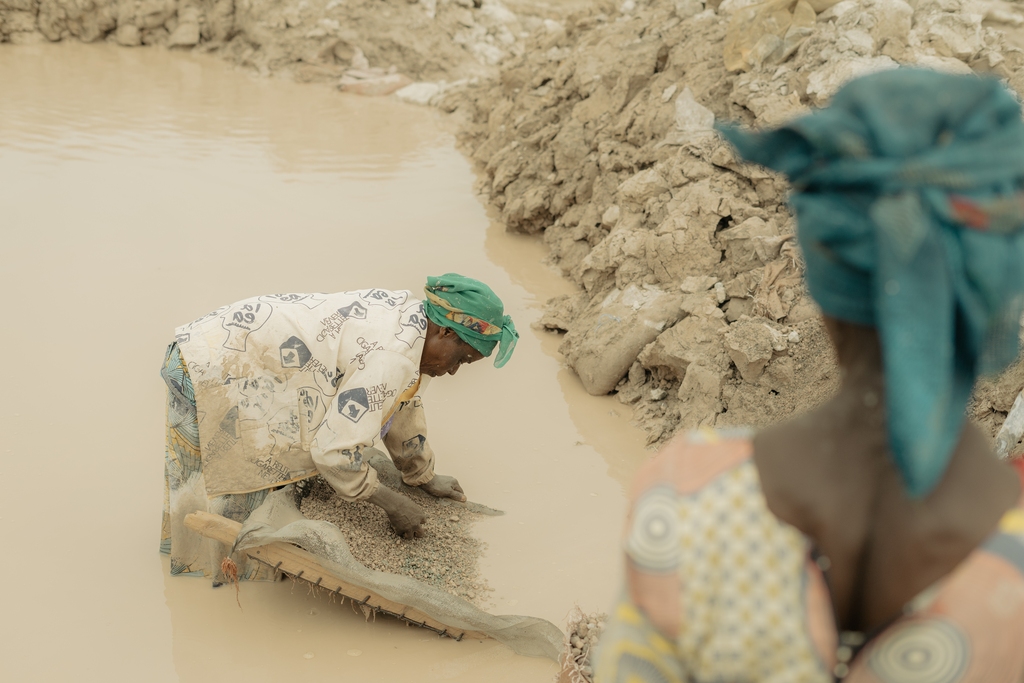
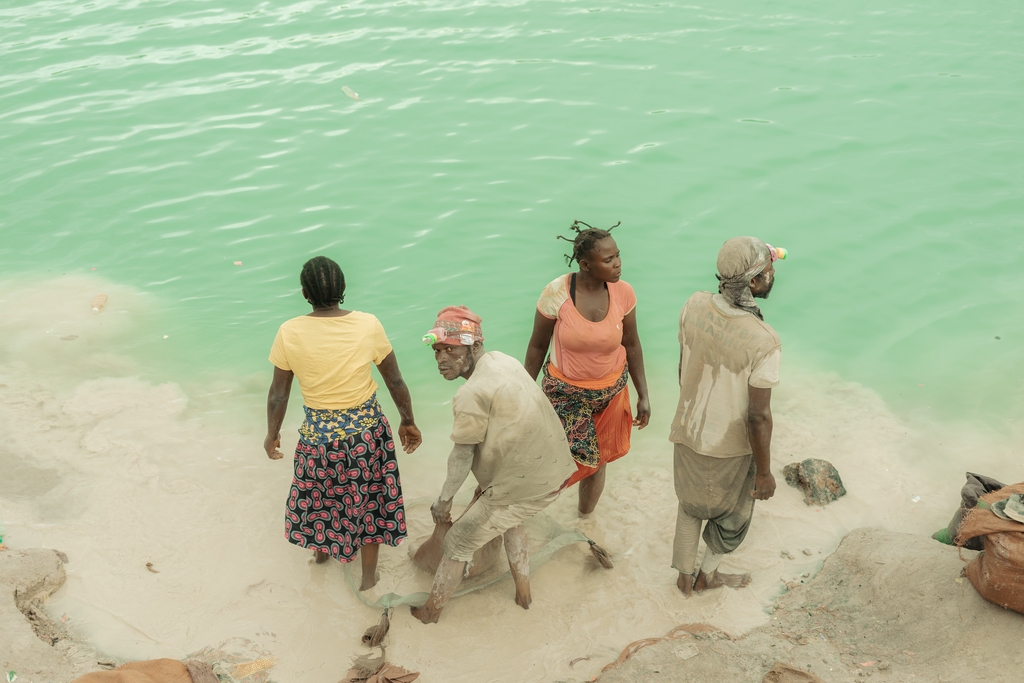
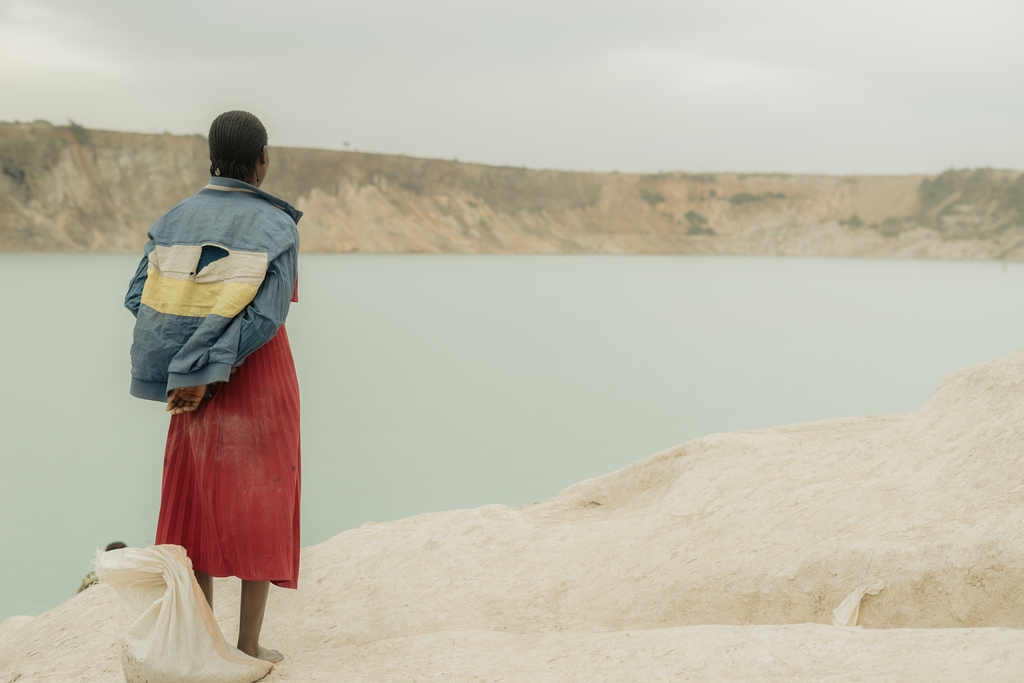
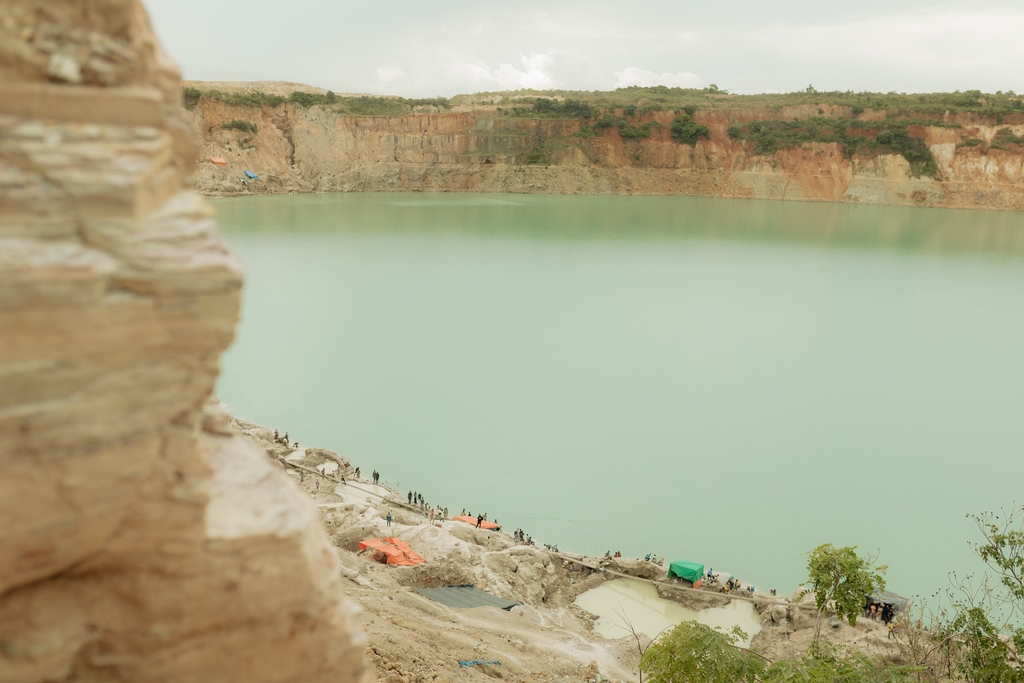
Photos by Nathan Bushiru
The project is part of the Institutional University Cooperation (IUC) between Université de Lubumbashi (UNILU) and Flemish universities and universities of applied sciences and arts, coordinated by Hasselt University. The project has been enabled through financial support given by VLIRUOS, FWO and the University of Antwerp’s BOF.