


Strengthening Belgium’s role in the world
Conflicts, climate change and global health challenges affect us all. What happens elsewhere in the world has a direct impact on our country. The challenges and the conflicts around the world make many people uncertain. But this is not a time for pessimism. It's time for international action. And Belgium chooses to take up its responsibility, and invests in strong partnerships with Africa, Asia and Latin America. Global cooperation is not only a moral duty, but also serves our shared interests.
Academic cooperation plays a central role in this approach. It connects institutions, researchers and students across borders. It leads to concrete results in domains such as public health and climate resilience, through higher education and innovation. And, of course, it strengthens the research ecosystem, knowledge economy and international visibility of Belgium. These academic partnerships are built on equality and long-term commitment.
Network of scholars, alumni, and researchers
Global academic cooperation is about co-creation, mutual learning and shared progress. It reflects Belgium's belief in diplomacy through knowledge. Networks of scholars, alumni, and researchers are strategic assets. Students and researchers who study in Belgium or collaborate with Belgian Institutions often become leaders in their fields. They carry Belgian values democracy, academic freedom and human rights into their communities. They become trusted partners for diplomats and help build bridges between Belgium and the world.
Prominent people testify
Belgian politicians, renowned scientists, ambassadors and alumni of VLIRUOS, ARES and ITM, all believe in the diplomatic value of global academic cooperation. We asked them to share their story in a video.
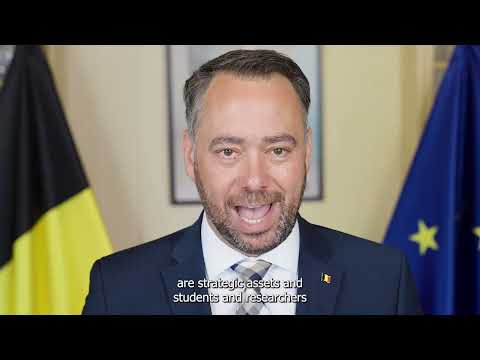
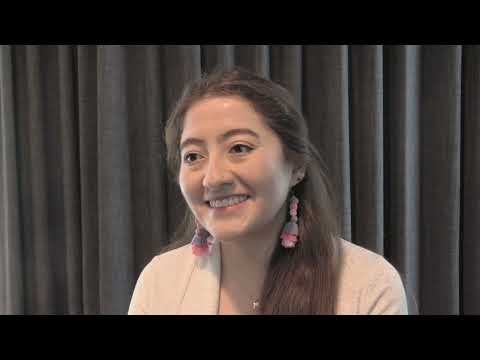
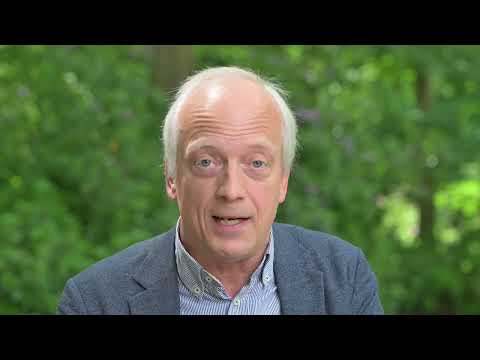
- Maxime Prévot, Deputy Prime Minister and Minister for Foreign Affairs, European Affairs and Development Cooperation, notes the importance in his policy paper: "The rich Belgian academic cooperation stimulates innovation, necessary expertise exchange, contributes to reputation building and trust of partners (soft power).”
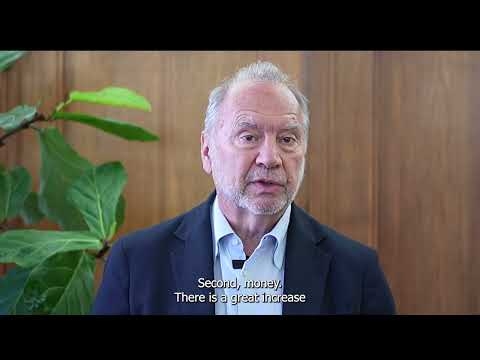
- Peter Piot, renowned epidemiologist, co-discoverer of the Ebola virus, pioneer in HIV and AIDS research, former director of the London School of Hygiene & Tropical Medicine founding executive director of UNAIDS, strongly believes: “Nobody is too wealthy not to learn something useful from others, and nobody is too poor not to have to offer something that is useful for the rest of the world.”
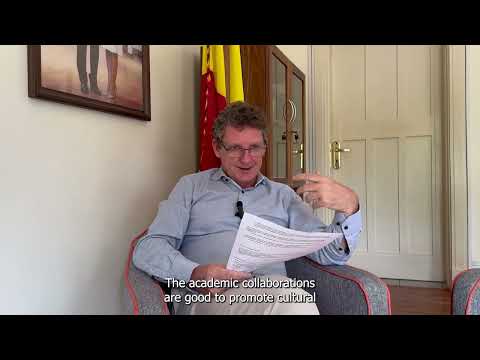
- Peter Huyghebaert, Belgian ambassador in Tanzania
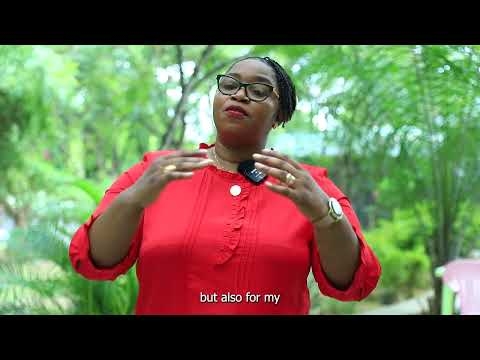
- Sakina Mwinyimkuu, alumna of Antwerp University, Institute of Development Policy, working at the Prime Minister’s office in Tanzania
- Melissa Orihuela Garcia, recently graduated alumna European microfinance programme (ULB – 2024) from Bolivia
- Yves Coppieters, within the Government of the Wallonia-Brussels Federation, Minister of Health, Equal Opportunities and Women's Rights; within the Walloon Government, Minister of Health, Environment, Social Action, Social Economy, Disability, Poverty Reduction, Equal Opportunities and Women's Rights